

Currently Empty: ₹0.00



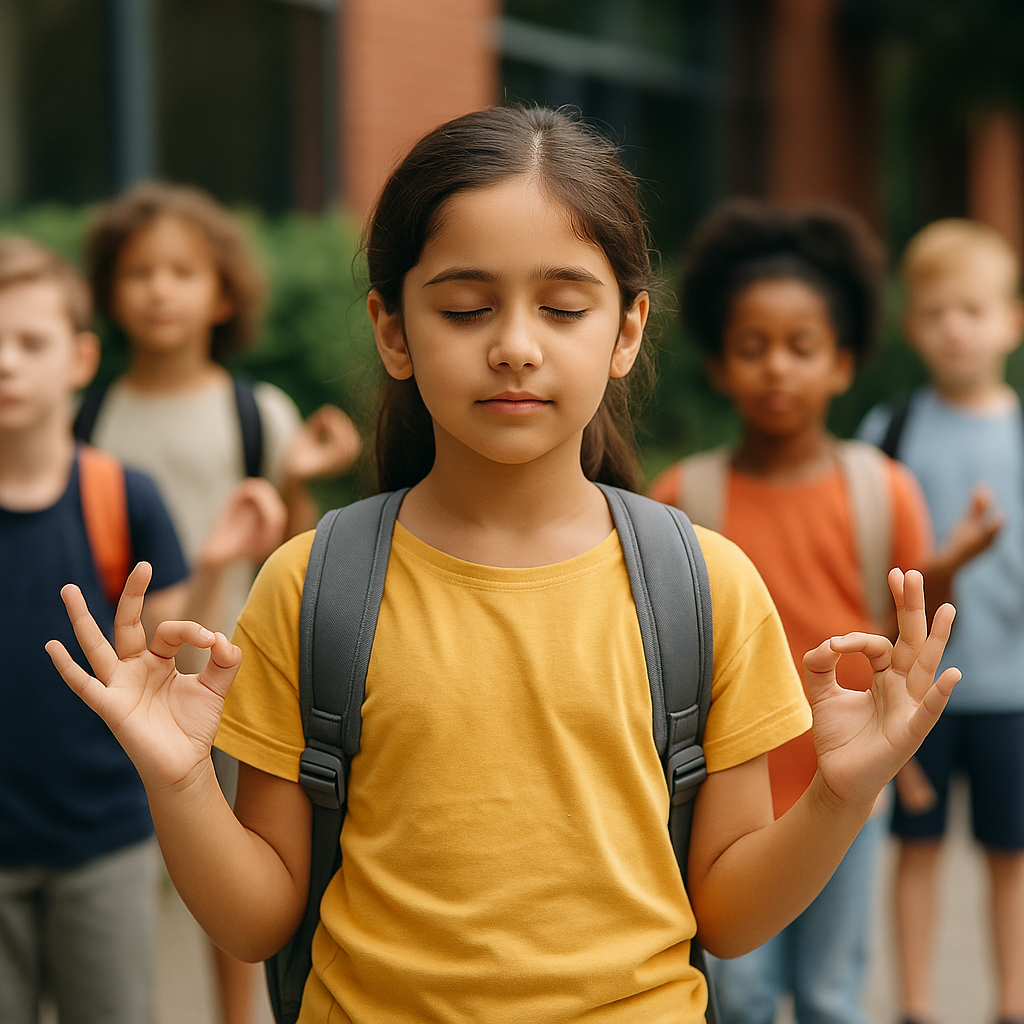
In a world that constantly pushes for performance, speed, and competition, the essence of true learning is often lost. Education today, for many, has become synonymous with grades, tests, and career goals. But at the heart of learning lies something deeper — the development of the whole child.
That’s where Holistic Education comes in.
What is Holistic Education?
Holistic education is a child-centered approach that focuses not just on academic achievement but on the overall growth of a child — mentally, emotionally, physically, socially, and spiritually. It acknowledges that every child is a unique being, with different needs, strengths, emotions, and dreams.
Unlike conventional education, which primarily addresses the intellect, holistic education nurtures the whole person — head, heart, body, and soul.
In simple words, it is about helping children become good human beings — not just good students.
Why Is It So Important?
The early years of childhood are foundational. These are the years when a child forms their self-image, beliefs, habits, and emotional patterns. If we only feed the intellect, but ignore the child’s emotional needs, values, and inner world, we create imbalance — leading to stress, anxiety, and disconnection.
On the other hand, a child who learns how to manage emotions, build kind relationships, trust themselves, and stay connected to their inner voice grows into a confident and compassionate individual.
Here’s why holistic education matters now more than ever:
1. 💛 Mental Health Support
Children today are under increasing pressure — academic stress, social comparisons, digital distractions, and more. Holistic education brings in mindfulness, emotional awareness, and mental clarity, helping kids develop coping skills and resilience.
2. 🧘 Inner Calm & Clarity
Through practices like breathwork, meditation, body movement, and creative expression, children learn to quiet their minds, listen to their hearts, and stay grounded. This inner stillness becomes their strength in a noisy world.
3. 🤝 Values & Relationships
Children need more than information — they need direction. Holistic learning teaches values like kindness, gratitude, empathy, and self-respect. These become the roots of all healthy relationships — with family, friends, and themselves.
4. 🌈 Joyful Learning
When learning includes play, movement, nature, creativity, and real-life experiences — it becomes joyful. Holistic education keeps the natural curiosity of the child alive and makes learning feel like an adventure, not a burden.
5. 🌿 Connection with Nature & Self
A holistic child is one who not only knows the world, but also knows themselves. They feel connected to the environment, to animals, to their own breath and body. This awareness lays the foundation for a more conscious and sustainable world.
What Does a Holistic Program Look Like?
A truly holistic approach is not a fixed curriculum but a living, breathing experience. It includes:
Mindfulness activities like breathing, relaxation, and visualization
Creative expression through storytelling, art, music, and drama
Movement-based learning like yoga, dance, and outdoor play
Emotional intelligence tools like journaling, gratitude, and circle sharing
Values-based learning through stories, real-life examples, and reflection
At Happy Living, our programs are rooted in these principles — helping children return to their natural state of curiosity, calmness, joy, and wisdom.
Why Start Early?
The earlier we begin this journey, the better. Young children are like soft clay — open, sensitive, and deeply receptive. What we teach them in these formative years becomes the foundation of who they will become.
When we offer them tools to understand their feelings, manage their thoughts, be kind, and stay true to themselves — we are giving them life skills, not just school skills.
Final Thoughts
Holistic education is not an alternative — it is essential. In nurturing the whole child, we’re nurturing the future of humanity. Let’s raise children who are not just literate, but emotionally wise. Not just successful, but peaceful. Not just achievers, but happy beings.
It’s time we ask not just “How well is the child doing in school?” but also “How well is the child doing in life?”
Because every child deserves to grow, glow, and live a life full of meaning — from the inside out.
Because every child deserves to grow, glow, and live a life full of meaning — from the inside out.
Tags: